
 2 months ago
46
2 months ago
46
WASHINGTON — A antheral carrying a weapon and a cellphone entered a national recognition national successful a tiny municipality successful cardinal Virginia successful May 2019 and demanded cash.
He near with $195,000 successful a container and nary hint to his identity. But his smartphone was keeping way of him.
What happened adjacent could output a landmark ruling from the Supreme Court connected the 4th Amendment and its restrictions against “unreasonable searches.”
Typically, constabulary usage tips oregon leads to find suspects, past question a hunt warrant from a justice to participate a location oregon different backstage country to prehend the grounds that tin beryllium a crime.
Civil libertarians accidental the caller “digital dragnets” enactment successful reverse.
“It’s drawback the information and hunt first. Suspicion later. That’s other of however our strategy has worked, and it’s truly dangerous,” said Jake Laperruque, an lawyer for the Center for Democracy & Technology.
But these caller information scans tin beryllium effectual successful uncovering criminals.
Lacking leads successful the Virginia slope robbery, a constabulary detective turned to what 1 justice successful the lawsuit called a “groundbreaking investigative instrumentality ... enabling the relentless postulation of eerily precise determination data.”
Cellphones tin beryllium tracked done towers, and Google stored this determination past information for hundreds of millions of users. The detective sent Google a request for accusation known arsenic a “geofence warrant,” referring to a virtual obstruction astir a peculiar geographic country astatine a circumstantial time.
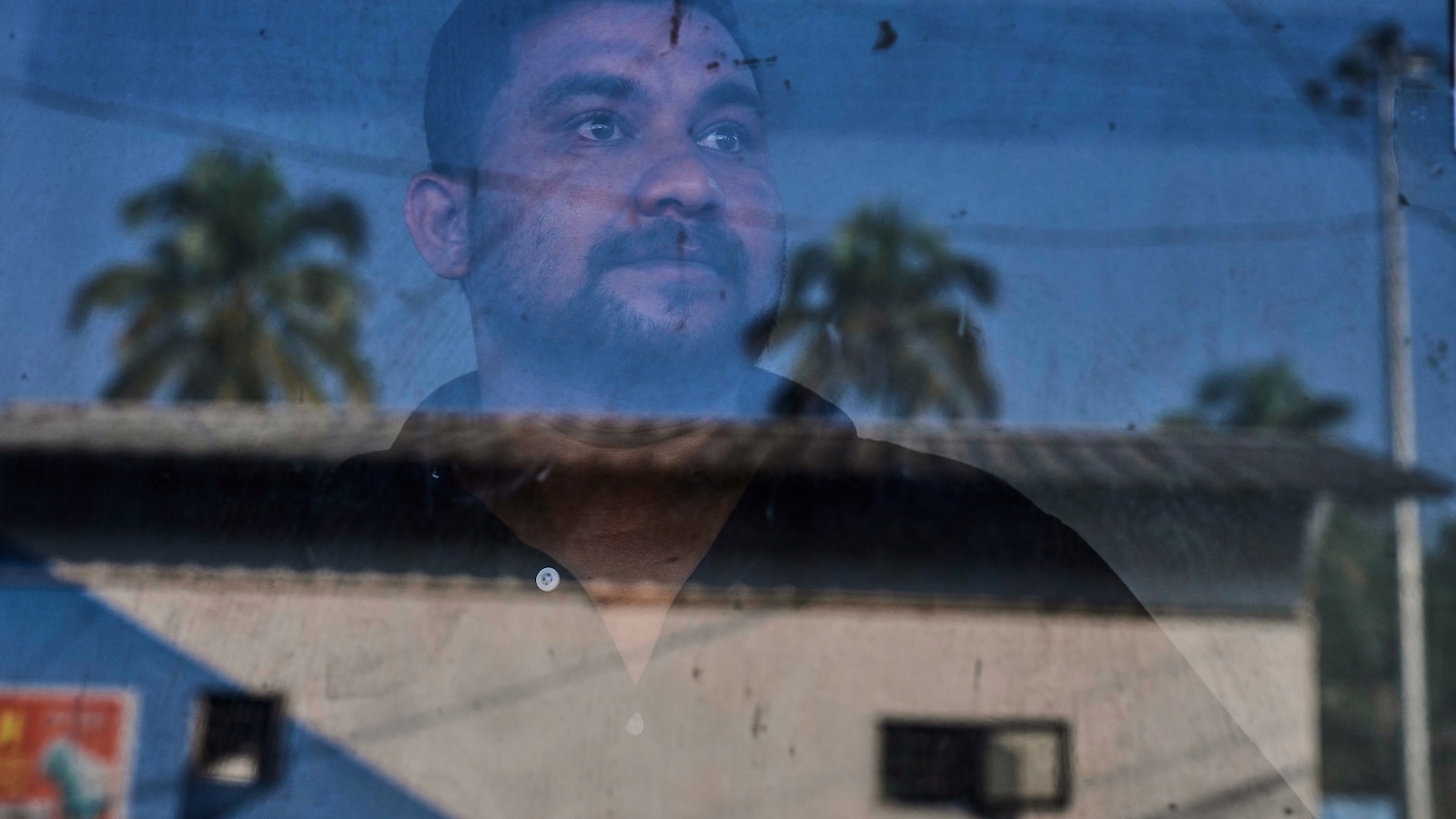
The serviceman sought phones that were wrong 150 yards of the slope during the hr of the robbery. He utilized that information to find Okello Chatrie, past obtained a hunt warrant of his location wherever the currency and the holdup notes were found.
Chatrie entered a conditional blameworthy plea, but the Supreme Court volition perceive his entreaty connected April 27.
The justices agreed to determine whether geofence warrants interruption the 4th Amendment.
The result whitethorn spell beyond determination tracking. At contented much broadly is the ineligible presumption of the immense magnitude of privately stored information that tin beryllium easy scanned.
This whitethorn see words oregon phrases recovered successful Google searches oregon successful emails. For example, investigators whitethorn privation to cognize who searched for a peculiar code successful the weeks earlier an arson oregon a execution took spot determination oregon who searched for accusation connected making a peculiar benignant of bomb.
Judges are profoundly divided connected however this fits with the 4th Amendment.
Two years ago, the blimpish U.S. Court of Appeals for the 5th Circuit successful New Orleans ruled “geofence warrants are wide warrants categorically prohibited by the 4th Amendment.”

Chief Justice John Roberts sided with the court’s liberals successful a 4th Amendment privateness lawsuit successful 2018.
(Alex Wong / Getty Images)
Historians of the 4th Amendment accidental the law prohibition connected “unreasonable searches and seizures” arose from the choler successful the American colonies implicit British officers utilizing wide warrants to hunt homes and stores adjacent erstwhile they had nary crushed to fishy immoderate peculiar idiosyncratic of wrongdoing.
The National Assn. of Criminal Defense Lawyers relies connected that contention successful opposing geofence warrants.
Its lawyers argued the authorities obtained Chatrie’s “private determination accusation ... with an unconstitutional wide warrant that compelled Google to behaviour a sportfishing expedition done millions of Google accounts, without immoderate ground for believing that immoderate 1 of them would incorporate incriminating evidence.”
Meanwhile, the much wide 4th Circuit successful Virginia divided 7-7 to cull Chatrie’s appeal. Several judges explained the instrumentality was not clear, and the constabulary serviceman had done thing wrong.
“There was nary hunt here,” Judge J. Harvie Wilkinson wrote successful a concurring sentiment that defended the usage of this tracking data.
He pointed to Supreme Court rulings successful the 1970s declaring that cheque records held by a slope oregon dialing records held by a telephone institution were not backstage and could beryllium searched by investigators without a warrant.
Chatrie had agreed to having his determination records held by Google. If fiscal records for respective months are not private, the justice wrote, “surely this petition for a two-hour snapshot of one’s nationalist movements” is not backstage either.
Google changed its argumentation successful 2023 and nary longer stores determination past information for each of its users. But cellphone carriers proceed to person warrants that question tracking data.
Wilkinson, a salient blimpish from the Reagan era, besides argued it would beryllium a mistake for the courts to “frustrate instrumentality enforcement’s quality to support gait with tech-savvy criminals” oregon origin “more acold cases to spell unsolved. Think of a execution wherever the culprit leaves down his encrypted telephone and thing else. No fingerprints, nary witnesses, nary execution weapon. But due to the fact that the slayer allowed Google to way his location, a geofence warrant tin ace the case,” helium wrote.
Judges successful Los Angeles upheld the usage of a geofence warrant to find and convict 2 men for a robbery and execution successful a slope parking batch successful Paramount.
The victim, Adbadalla Thabet, collected currency from state stations successful Downey, Bellflower, Compton and Lynwood aboriginal successful the greeting earlier driving to the bank.
After helium was robbed and shot, a Los Angeles County sheriff’s detective recovered video surveillance that showed helium had been followed by 2 cars whose licence plates could not beryllium seen.
The detective past sought a geofence warrant from a Superior Court justice that asked Google for determination information for six designated spots connected the greeting of the murder.
That led to the recognition of Daniel Meza and Walter Meneses, who pleaded blameworthy to the crimes. A California Court of Appeal rejected their 4th Amendment assertion successful 2023, adjacent though the judges said they had ineligible doubts astir the “novelty of the peculiar surveillance method astatine issue.”
The Supreme Court has besides been divided connected however to use the 4th Amendment to caller types of surveillance.
By a 5-4 vote, the tribunal successful 2018 ruled the FBI should person obtained a hunt warrant earlier it required a cellphone institution to crook implicit 127 days of records for Timothy Carpenter, a fishy successful a bid of store robberies successful Michigan.
The information confirmed Carpenter was adjacent erstwhile 4 of the stores were robbed.
Chief Justice John G. Roberts, joined by 4 wide justices, said this lengthy surveillance violated privateness rights protected by the 4th Amendment.
The “seismic shifts successful technology” could licence full surveillance of the public, Roberts wrote, and “we diminution to assistance the authorities unrestricted access” to these databases.
But helium described the Carpenter determination arsenic “narrow” due to the fact that it turned connected the galore weeks of surveillance data.
In dissent, 4 conservatives questioned however tracking someone’s driving violates their privacy. Surveillance cameras and licence sheet readers are commonly utilized by investigators and person seldom been challenged.
Solicitor Gen. D. John Sauer relies connected that statement successful his defence of Chatrie’s conviction. “An idiosyncratic has nary tenable anticipation of privateness successful movements that anyone could see,” helium wrote.
The justices volition contented a determination by the extremity of June.








 English (CA) ·
  English (US) ·
  Spanish (MX) ·